Using readily-available materials like wood, cardboard, and paper mache, I replicate the world around me – ships, domestic interiors, human figures, old paintings. As a kid, I acted in plays and drew caricatures. Now when I make a piece, I exaggerate certain features and leave others out, the way you do when you draw a caricature. Maybe I’m not a ‘serious’ artist. Sometimes the things I make look crummy to me. No wonder, when they’re made of cardboard and newspaper and the like. My pieces are sort of sculptures but they’re also sort of props or even toys—aids to imaginative experience. They’re things you play with as much as look at. When I photograph them, my exploration of form, line, and color shifts from three to two dimensions. I shoot as a sculptor but also as a dramatist. In photos, my interiors take on the aspect of stage sets; my figurative pieces become characters. Any drama is implied, unresolved, open-ended.
My first efforts as a sculptor were primarily in wood, but these days I find that paper mache is more conducive to my creative process, which entails a lot of pulling apart, cutting down, reassembling – things that are hard to do with wood, which doesn’t like to be worked backwards. Apart from some basic calculations to determine proportion, I do no planning. I make up the piece as I go along. I discover it.
There’s a poverty of means to paper mache that I like very much, an almost off-handed quality that excites me. Most of my tools – cutters, scissors, awls – fit into a small box. I feel a kinship with my prehistoric ancestors, chipping their Clovis points. My materials are not archival. I worry that my pieces won’t last, that, in time, they will pickle in their own acid, but, for now, it’s freeing to work cheap. Quite beyond the aspect of cost, taking a bunch of junk and making something out of it feels magical, even holy. In this respect, my pieces resemble ritual effigies, created for use today or perhaps tonight, then returned to the jungle or the river bank to rot back into nature.
When I started working with paper mache, I struggled to create perfectly uniform objects. Flat panels were a particular (and fruitless) obsession. This was the woodworker in me, the part of me that still has trouble ceding control. As cardboard and paper dry, they move. I’ve realized the futility of fighting this. Now, instead of fighting, I respond knowing that I can only control so much, and that the unruly quality of the material is its own source of ideas. Working this way is more challenging emotionally than technically.
I may not be a ‘serious’ artist, but I have learned a good deal over the years from looking at ‘serious’ art. My lights as a sculptor include David Smith, Anne Truitt, William Christenberry, and Jan Schoonhoven. Among the photographers who inspire me are William Eggleston, Stephen Shore, and Paul Graham. Charles Matton, Lori Nix, and James Casebere showed me that a photograph of a miniature can itself be a work of art.
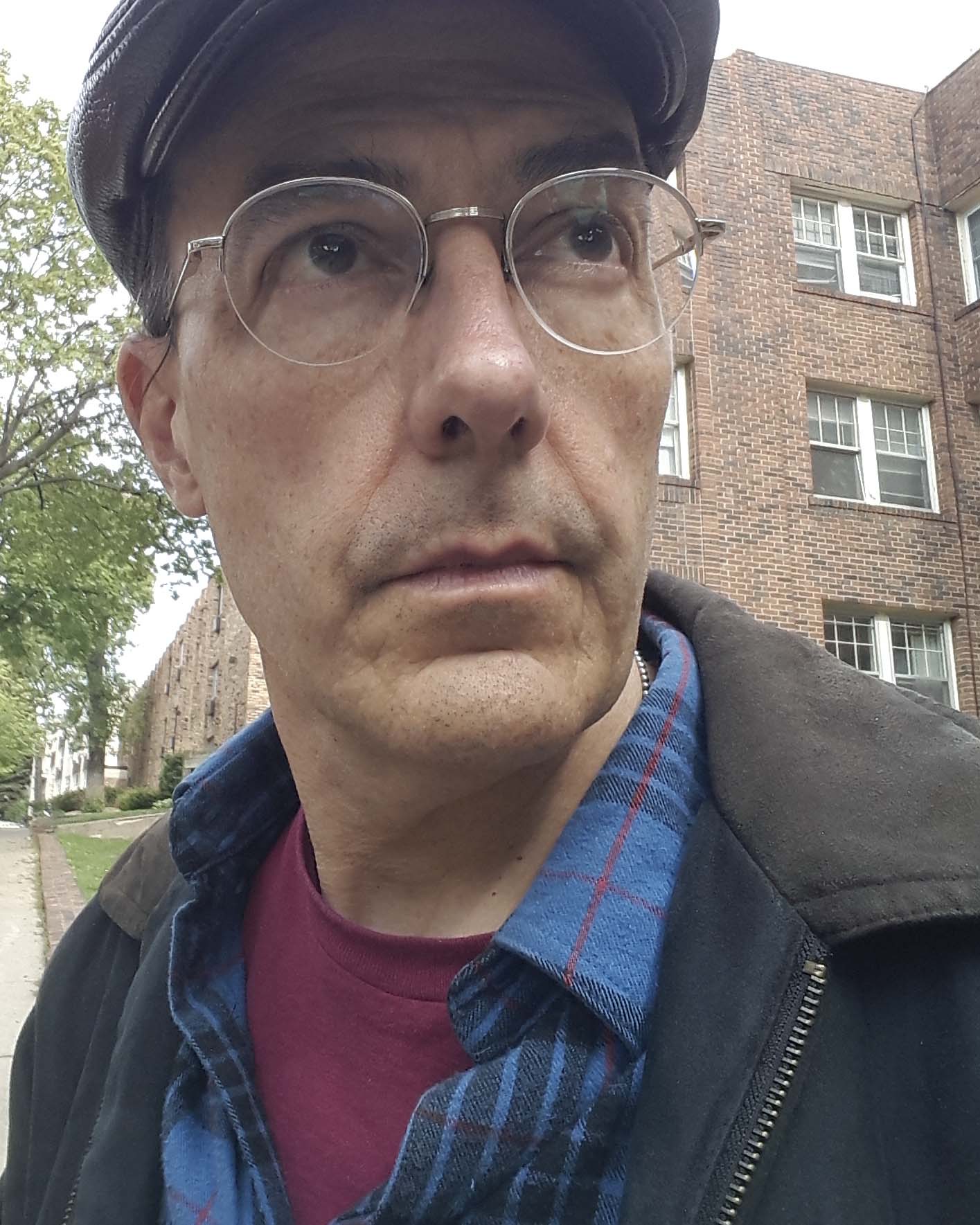
 William Jordan